Innovation. Rooted in the gut microbiome.
The Meriwether Lab
We are engineering the gut to heal the body. From natural alternatives to Hormone Replacement Therapy to novel immune therapies for IBD, our research focuses on harnessing the body's own recycling systems to treat chronic disease.
Our Research
Overview
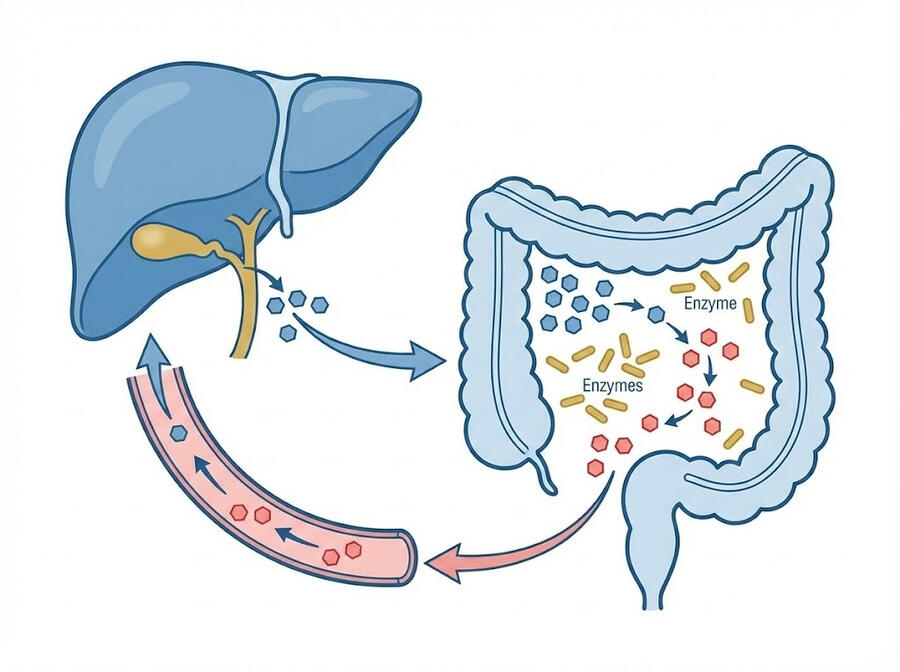
Our research aims to increase reactivation and recycling of conjugated estrogens and androgens excreted from the liver, with a special focus on reactivating estrogens. We are working on novel therapeutic strategies to increase gut reactivation and reuptake of estrogens as a possible natural alternative to hormone replacment therapy in menopausal women. We are also looking to develop a novel first-in-class engineered IBD probiotic drug through the same pathway. In IBD, we also focus on the role of macrophage efferocytosis in promoting inflammation resolution and intestinal epithelial repair; together with its dysregulation by disease-dependent oxidation products.
Mission
The Meriwether Lab at UCLA explores how the microbiome controls hormones and inflammation—pioneering natural alternatives to HRT and novel treatments for IBD.
Why We Need Your Help
Hormone Replacement Therapy (HRT) carries risks, and Inflammatory Bowel Disease (IBD) lacks natural, long-term cures. My lab is taking a different approach: Using the body’s own recycling systems to heal itself.
We are investigating how the gut microbiome can naturally reactivate estrogens, offering a potential "internal HRT" for menopausal women. Simultaneously, we are engineering probiotics to teach immune cells (macrophages) how to resolve inflammation in IBD.Federal grants cover the basics, but high-risk, high-reward breakthroughs start with private support. Your donation directly funds the pilot experiments that lead to the next generation of microbiome therapeutics.
Research Pillars
Research Focus: The "Estro-Biome" & Menopause
The Problem: The liver excretes estrogens, but specific gut bacteria can "rescue" them before they are lost, recycling them back into the bloodstream.
Our Approach: We are mapping the specific bacterial enzymes that control this reaction.
The Goal: By modulating these bacteria, we aim to increase natural estrogen reuptake in menopausal women, providing a safer, microbiome-based alternative to traditional synthetic hormone replacement.
About the PI
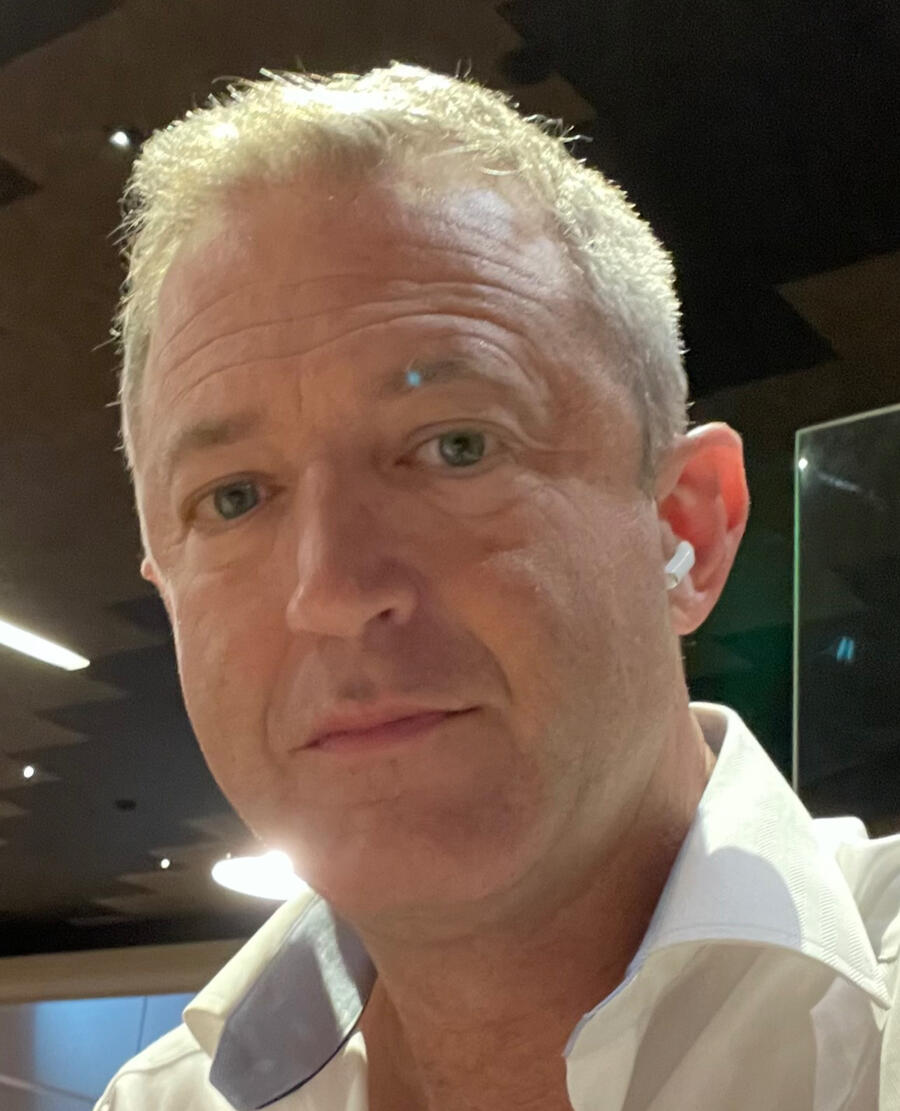
David Meriwether, PhD Assistant Professor, UCLA Division of Digestive DiseasesAn NIH-funded investigator with a doctorate in Pharmacology, Dr. Meriwether applies the principles of drug discovery to the gut microbiome. His lab works at the intersection of endocrinology and immunology to engineer the next generation of living medicines. He earned his undergraduate degree from Harvard University and his PhD in Molecular and Medical Pharmacology from UCLA.

Vince Li is the lab manager for the Meriwether lab. He earned his B.S. in Neuroscience with a minor in Linguistics from UCLA in 2024.
Graduate Researchers:
Julia Salem
Undergraduate Researchers:
Hasti Hedayatiparsa
Sahithi Anne
Victoria Huang
Sanika Deosthali
Pauline Li
Yadanar Naing Ei